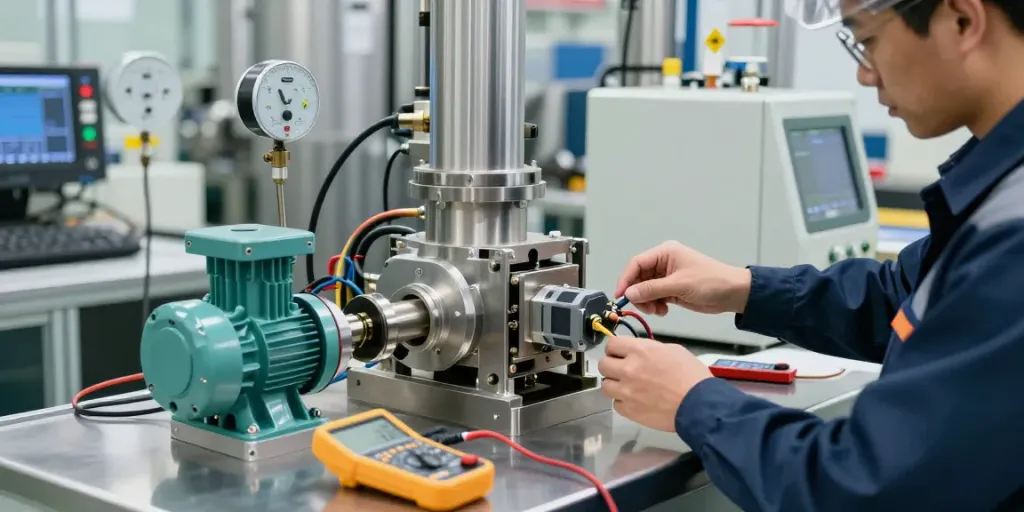
Understanding Mechanical Vacuum Switches
Mechanical vacuum switches play a crucial role in numerous industrial applications by monitoring and controlling vacuum systems. These switches are designed to respond to changes in vacuum pressure, providing an essential safety function in various processes. With their robust construction and reliability, they are favored in environments where precise vacuum management is critical. When exploring options, mechanical vacuum switch solutions from trusted manufacturers can enhance operational efficiency and ensure safety.
What is a Mechanical Vacuum Switch?
A mechanical vacuum switch is an electromechanical device that operates based on changes in vacuum pressure. Unlike electronic switches that require power to operate, mechanical switches rely on physical mechanisms, such as diaphragms or springs, to detect pressure levels. When the vacuum reaches a predetermined set point, the switch activates, enabling or disabling an electrical circuit. This simple, yet effective design makes them highly reliable for various applications.
Key Features and Benefits
- Durable Construction: Mechanical vacuum switches are built to withstand harsh conditions. Many models include stainless steel wetted parts and sealed housings that are resistant to moisture, dust, and corrosion.
- Accurate Set Point Control: These switches provide reliable and repeatable set point accuracy, essential for maintaining consistent vacuum levels.
- Easy Calibration: Most models feature external adjustment screws and visual scales, allowing for straightforward field calibration without the need for specialized tools.
- Fail-Safe Options: Mechanical vacuum switches can be designed for fail-safe operation in hazardous areas, ensuring safety even during unforeseen failures.
- Low Total Ownership Cost: Their simple, drop-in installation design minimizes installation time and costs, leading to a lower total ownership cost over time.
Common Applications in Industry
Mechanical vacuum switches are widely used across various sectors due to their reliability and effectiveness. Some common applications include:
- HVAC Systems: Used in heating, ventilation, and air conditioning systems to maintain precise pressure control and ensure efficient operation.
- Hydraulic Systems: Essential for monitoring and controlling vacuum pressure in hydraulic machinery.
- Compressors: Helps in maintaining optimal performance and safety of vacuum pumps and compressors by preventing pressure fluctuations.
- Food Processing: Utilized in vacuum packaging processes to ensure food safety and preservation.
- Automotive Industry: Employed in various automotive systems, including emissions control and fuel systems, to monitor vacuum levels.
Choosing the Right Mechanical Vacuum Switch
Selecting the appropriate mechanical vacuum switch is vital for ensuring the efficiency and safety of your application. Several factors should be considered to make an informed choice.
Factors to Consider When Selecting a Switch
- Pressure Range: It is crucial to select a switch that can operate within the expected vacuum pressure range of your application.
- Material Compatibility: Ensure that the materials used in the switch are compatible with the substances they will encounter, especially in corrosive environments.
- Electrical Ratings: Check the electrical specifications to ensure the switch can handle the intended load without failure.
- Response Time: Evaluate the response time of the switch to ensure it meets the operational speed required for your application.
- Calibration Ease: Look for switches with user-friendly calibration options to streamline setup and maintenance.
Comparative Analysis: Mechanical vs. Electronic Vacuum Switches
When deciding between mechanical and electronic vacuum switches, it's important to consider their respective advantages and disadvantages:
- Mechanical Switches:
- Electronic Switches:
Top Manufacturers and Product Ranges
The market for mechanical vacuum switches is filled with various manufacturers, each providing unique offerings. Notable manufacturers include:
- LEFOO: Renowned for high-precision mechanical vacuum switches designed for challenging industrial automation applications.
- Schmalz: Offers a range of vacuum switches suitable for automation and material handling.
- McMaster-Carr: Known for a wide selection of mechanical and electronic vacuum switches, available for fast shipping.
- Neodyn: Provides innovative solutions with weatherproof enclosures and stable set points for various applications.
Installation Best Practices for Mechanical Vacuum Switches
Proper installation of mechanical vacuum switches is key to ensuring their optimal performance and longevity. Here’s a practical guide for effective installation.
Step-by-Step Installation Guide
- Preparation: Gather all necessary tools and read the manufacturer’s installation instructions carefully.
- Location Selection: Choose an installation site that minimizes exposure to moisture and debris.
- Mounting: Securely mount the switch according to the manufacturer’s specifications, ensuring it is level for accurate readings.
- Wiring: Connect the electrical wiring according to the schematic provided, ensuring all connections are tight and insulated.
- Calibration: Calibrate the switch following the manufacturer’s guidelines, adjusting as necessary for your application.
- Testing: Conduct a thorough test of the switch operation to verify that it responds correctly to changes in vacuum levels.
Common Pitfalls and Troubleshooting Tips
Even with the best planning, issues may arise during installation. Here are common pitfalls and tips to troubleshoot them:
- Incorrect Calibration: If the switch does not trigger at the expected vacuum level, review the calibration process and repeat it.
- Electrical Issues: Ensure connections are secure and that the correct voltage is applied. Use a multimeter to check for continuity.
- Physical Damage: Inspect for any signs of damage or wear, especially if the switch is exposed to harsh conditions.
Tools Required for Effective Installation
Essential tools for installing mechanical vacuum switches include:
- Multimeter for electrical testing
- Wrenches or screwdrivers for securing the switch
- Calibration tools, if required by the specific model
- Safety gear to protect against potential hazards during installation
Maintaining Your Mechanical Vacuum Switch
Routine maintenance is vital for ensuring the long service life of mechanical vacuum switches. Here are key maintenance procedures to adopt.
Routine Maintenance Procedures
- Regularly inspect the switch for signs of wear, corrosion, or mechanical damage.
- Clean the exterior casing to prevent dust buildup that could affect performance.
- Conduct periodic recalibration to ensure accuracy, especially after extended use or environmental changes.
Signs of Wear and When to Replace
Monitoring the performance of mechanical vacuum switches is essential to avoid unexpected failures. Here are signs indicating it may be time for a replacement:
- Inconsistent operation or failure to trigger at the correct vacuum levels.
- Physical damage such as cracks in the housing or compromised seals.
- Corrosion on wetted parts that could lead to leaks and loss of performance.
Optimizing Performance for Longevity
To extend the lifespan of your mechanical vacuum switches, consider the following practices:
- Install them in environments suitable for their ratings to reduce exposure to harsh conditions.
- Follow the manufacturer’s guidelines for handling and installation.
- Maintain a log of inspections and calibrations to track any performance deviations.
The Future of Mechanical Vacuum Switches in Industry
As technology continues to evolve, mechanical vacuum switches are adapting to meet the demands of modern industry. Innovations and trends are shaping their future applications and capabilities.
Emerging Trends and Technologies for 2026
- Integration with IoT: Future mechanical vacuum switches may incorporate Internet of Things (IoT) capabilities, allowing for remote monitoring and data analysis.
- Smart Diagnostics: Advances in sensor technology will enable more sophisticated diagnostics, improving reliability and maintenance scheduling.
- Enhanced Materials: Development of new materials that increase resistance to extreme conditions will expand application areas.
Innovations in Manufacturing Processes
Manufacturers are adopting advanced techniques such as additive manufacturing and robotics to produce mechanical vacuum switches. These innovations enhance precision and reduce costs, making high-quality switches more accessible.
Predictions for Mechanical Switch Applications
Looking ahead, mechanical vacuum switches are expected to find new applications in sectors such as renewable energy, pharmaceuticals, and advanced manufacturing processes, driven by the need for more efficient and reliable systems.
FAQs
What is a vacuum switch used for?
A vacuum switch is primarily used to monitor vacuum levels in a system, ensuring that processes remain within designed parameters for safety and efficiency.
Is a vacuum switch the same as a pressure switch?
While they serve similar purposes, a vacuum switch monitors negative pressure (vacuum), whereas a pressure switch typically operates under positive pressure conditions.
What are the advantages of mechanical vacuum switches?
Mechanical vacuum switches offer several advantages, including reliability without power requirements, straightforward calibration, and robust construction for harsh environments.
How do you troubleshoot a mechanical vacuum switch?
Troubleshooting a mechanical vacuum switch involves checking electrical connections, verifying calibration, and inspecting for physical damage or wear.
What advancements are expected in vacuum switch technology by 2026?
Expected advancements include increased integration with IoT, smart diagnostics capabilities, and improved materials that enhance durability and performance in various applications.