Understanding Felt Roofs: Basics and Benefits
When it comes to roofing solutions, felt roof systems are a popular choice for homeowners and property managers alike. This roofing solution has evolved significantly over the years, offering both durability and cost-effectiveness. In this article, we will explore the fundamentals of felt roofing, its advantages, and why it may be the right choice for your roofing needs.
What is a Felt Roof?
A felt roof is a type of flat roofing system that typically consists of layers of bitumen felt materials that are bonded together. Traditionally, it was made using simple bitumen sheets, but modern felt roofs use more advanced materials, such as reinforced polyester and rubberized asphalt, which enhance their durability and weather resistance. The installation can be performed using different techniques, including torch-on, cold adhesive, or self-adhesive methods, depending on the specifications and conditions of the installation site.
Advantages of Using Felt Roofing
- Cost-Effectiveness: Felt roofing is generally more affordable than other roofing materials, making it an appealing choice for budget-conscious homeowners.
- Ease of Installation: The installation process is relatively straightforward, and many experienced roofers can complete a felt roofing job quickly.
- Durability: Modern felt roofing systems are designed to withstand harsh weather conditions, ensuring a long lifespan if installed correctly.
- Low Maintenance: Once installed, felt roofs require minimal maintenance compared to other roofing types, making them an attractive option for many property owners.
Common Applications for Felt Roofs
Felt roofs are versatile and can be used in various settings, such as:
- Garages
- Extensions
- Porches
- Sheds
- Flat roof balconies
They are particularly advantageous for flat or low-pitched roofs, where other roofing types may not perform as well.
Choosing the Right Felt Roofing Specialist
Selecting the right roofing specialist is paramount to ensuring the longevity and quality of your felt roof. Here's how you can identify trusted roofers to undertake your project.
How to Identify Trusted Roofers
Start by seeking recommendations from friends or family who have recently had roofing work done. Online reviews and ratings on platforms like Google and Trustpilot can also provide insight into a contractor's reputation. Always ensure the roofers are qualified and have a solid portfolio of completed projects. Additionally, it is advisable to check if they possess appropriate licenses and certifications.
Evaluating Roofing Quotes Effectively
When evaluating quotes from different contractors, compare not just the price, but also the materials proposed, timelines, and the warranties offered. A low price may indicate lower quality materials or workmanship, while a higher price does not always guarantee better service. Take the time to ask questions about their quotes and what each item includes.
Importance of Insurance and References
Ensure that the contractors you consider have valid insurance and can provide references from previous clients. This not only protects you in case of accidents during the job but also gives you insight into their work ethic and professionalism. A reputable contractor will be happy to provide references and demonstrate their previous work.
Installation Process of Felt Roofing
The installation of felt roofing involves several steps that must be carefully followed to ensure a successful outcome. Here’s a detailed guide to the installation process.
Step-by-Step Guide to Installation
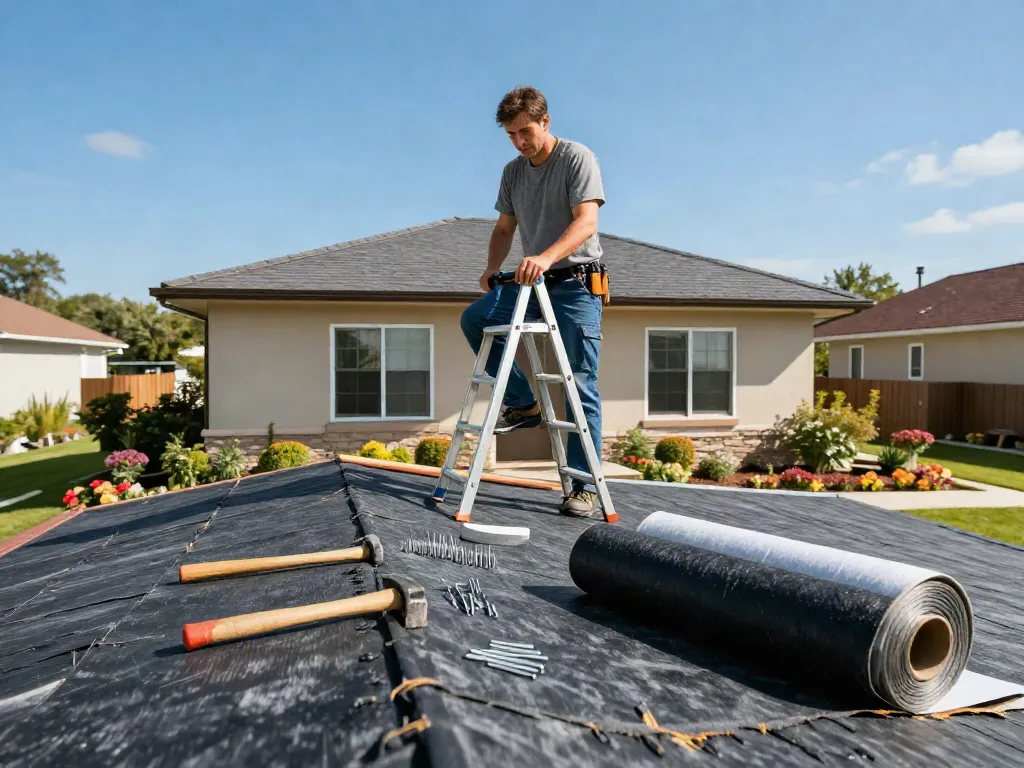
- Preparation: Remove old roofing materials and ensure the roof deck is clean and dry.
- Installing Underlayment: Lay down a waterproof underlayment to create an additional moisture barrier.
- Applying the Felt: Depending on the method, roll out the felt, applying adhesive or using a torch to seal it in place.
- Sealing Joints: Ensure all seams and joints are properly sealed to prevent leaks.
- Finishing Touches: Apply any additional protective coatings or gravel to extend the lifespan of the roof.
Tools and Materials Needed
Some essential tools and materials for felt roofing installation include:
- Utility knife
- Measuring tape
- Rolls of felt
- Adhesive or torching equipment
- Roofing nails or staples
- Seam tape
Common Mistakes to Avoid During Installation
Avoid the following common pitfalls:
- Not preparing the surface properly, which can lead to poor adhesion.
- Overlapping felt improperly, which may create weak points vulnerable to leaks.
- Ignoring weather conditions; installing during rain or frost can compromise the integrity of the roof.
Maintenance Tips for Felt Roof Longevity
To extend the lifespan of your felt roof, regular maintenance is crucial. Here are some tips to help you keep it in excellent condition.
Regular Inspections and Signs of Wear
Conduct visual inspections at least twice a year, looking for signs such as:
- Blistering or bubbling of the felt material
- Cracking or peeling edges
- Pooling water after rain
Early detection of these signs can prevent significant damage and costly repairs.
Best Practices for Maintenance
Some best practices for maintaining your felt roof include:
- Clearing debris and leaves regularly to prevent water pooling.
- Repairing minor damages immediately to avoid larger issues later.
- Reapplying protective coatings as recommended by your roofing contractor.
When to Seek Professional Help
If you notice persistent issues or if the damage is extensive, it’s best to consult a professional. They can provide a thorough inspection and recommend whether repair or replacement is the best course of action.
Future Trends in Felt Roofing
The roofing industry is evolving with new materials and practices on the horizon. Here are some notable trends that may shape the market by 2026.
Emerging Technologies in Roofing Materials
New technologies, such as self-healing materials and enhanced insulation properties, are being integrated into felt roofing systems. These advancements aim to improve durability and thermal performance.
Sustainable Practices in Felt Roofing
With growing environmental concerns, sustainability is becoming a key focus in construction. Roofers are increasingly opting for eco-friendly materials and practices, like using recycled materials in roofing felt.
Predictions for the Roofing Industry by 2026
Experts predict that the roofing industry will see a rise in the adoption of smart roofing technologies, enhancing energy efficiency and maintenance through integrated sensors and data analytics.
What Are the Disadvantages of Felt Roofing?
Despite its many advantages, felt roofing does have some drawbacks, such as:
- Vulnerability to UV rays if not coated properly.
- Limited lifespan compared to some other roofing materials like metal or tile.
- Potential for water ingress if installation is not done correctly.
Felt Roofing vs. Other Materials: A Comparative Overview
When comparing felt roofing to alternatives like metal or tile:
- Cost: Felt roofing is generally cheaper but may require more frequent replacement.
- Durability: Felt is less durable than metal roofing but can outperform some types of tile in terms of installation ease and speed.
- Maintenance: Felt roofs typically require less maintenance than tiled roofs but more than metal roofs, which can last for decades with little care.
Choosing the right material depends largely on individual property requirements, budget, and the specific environment.